

Fibermaxxing for Active Women: The Smart Way to Boost Energy
Fibermaxxing is taking the fitness world by storm as active women discover how strategic fibre intake can transform their training performance, digestive health and energy levels. This nutrition trend goes far beyond basic dietary advice, focusing on optimising fibre consumption to support the demanding needs of serious female athletes and fitness enthusiasts.
Unlike restrictive diet fads that come and go, fibermaxxing represents a science-backed approach to fuelling your body for peak performance. For active women who train consistently and push their limits, adequate fibre intake becomes crucial for maintaining stable energy, supporting recovery and preventing the digestive issues that can derail training progress.
The concept centres on consuming 25-35 grams of varied, high-quality fibre daily through strategic food choices that complement your training schedule. This approach recognises that active women have unique nutritional needs that generic dietary guidelines often fail to address.
Why Active Women Need More Strategic Fibre Intake

Training places significant demands on your digestive system, yet many female athletes focus solely on protein and carbohydrates while neglecting fibre. This oversight can lead to energy crashes, poor nutrient absorption and digestive discomfort that impacts performance.
Active women face specific challenges that make strategic fibre intake essential. Intense training increases your body's nutrient requirements whilst potentially compromising digestive efficiency. Stress hormones released during challenging workouts can slow digestion, making fibre's role in maintaining healthy gut function even more critical.
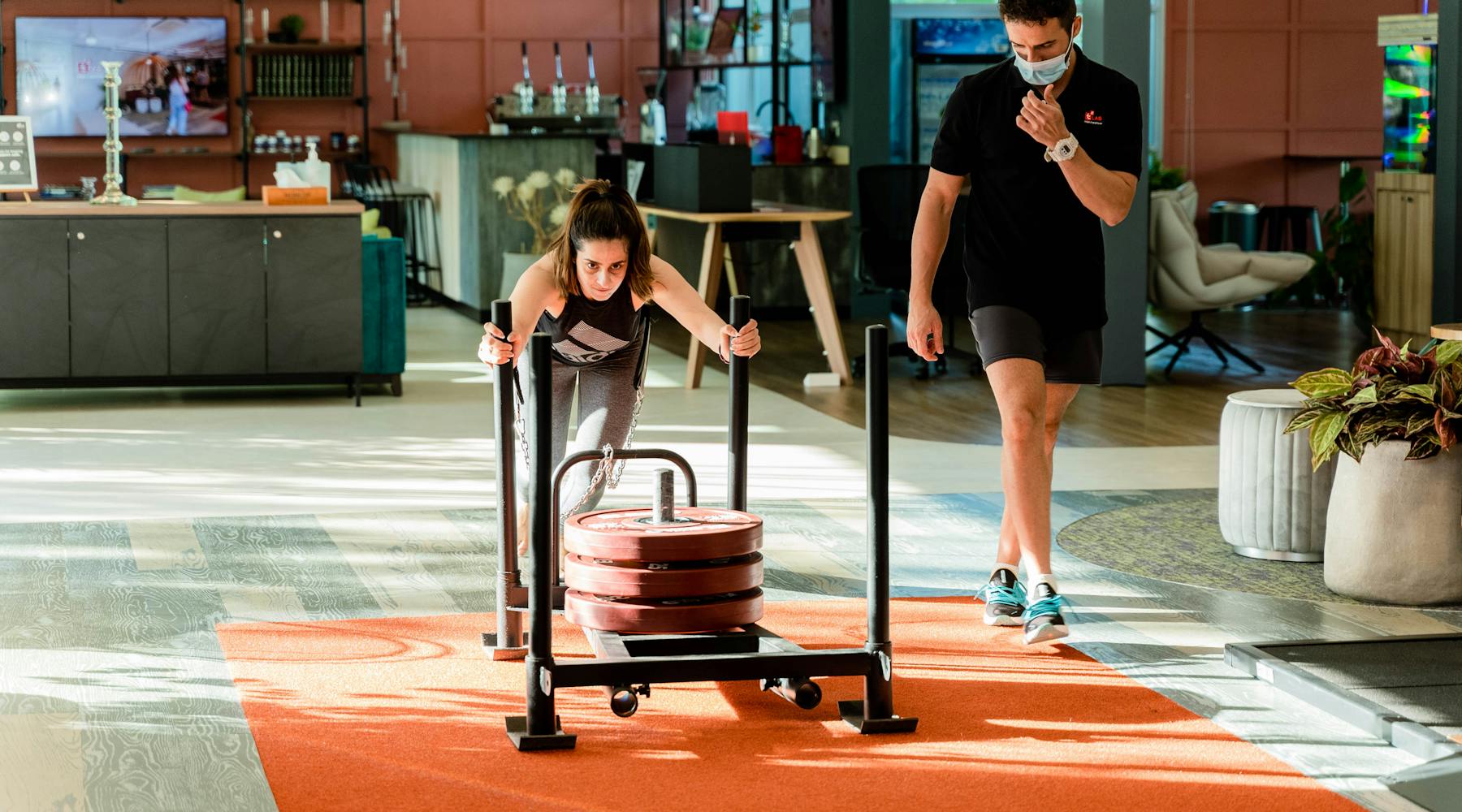
Research shows that adequate fibre intake supports stable blood sugar levels, preventing the energy dips that can occur between training sessions. For women who train multiple times per week or participate in high-intensity activities like CrossFit or Hyrox, maintaining steady energy becomes paramount to consistent performance.
The Performance Connection
Fibre directly impacts your training capacity through several mechanisms. Soluble fibre helps regulate blood glucose levels, providing sustained energy rather than quick spikes and crashes. This proves particularly valuable for women engaging in longer training sessions or endurance activities where energy stability matters most.
Insoluble fibre supports healthy digestion and regular elimination, preventing the bloating and discomfort that can interfere with training. Nothing derails a planned workout like digestive issues, making this aspect of fibermaxxing crucial for maintaining training consistency.
Strategic Fibermaxxing: Timing and Types Matter
Successful fibermaxxing requires understanding not just how much fibre to consume, but when and what types work best around your training schedule. Different fibres serve distinct purposes, and timing your intake can optimise both performance and recovery.
Pre-Training Fibre Strategy
Consume moderate amounts of soluble fibre 2-3 hours before training to support steady energy release. Oats with berries, a banana with almond butter, or Greek yoghurt with ground flaxseed provide sustained fuel without causing digestive upset during exercise.
Avoid high amounts of insoluble fibre immediately before training, as this can cause bloating or discomfort during intense movement. Save raw vegetables, whole grains and high-fibre cereals for post-workout meals when your digestive system can process them without interference.
Post-Training Recovery Focus
Post-workout represents the ideal time to load up on diverse fibre sources. Your body's increased nutrient needs following training make this the perfect opportunity to consume fibre-rich foods that support recovery and replenish energy stores.
Combine various fibre types in your post-training meals. A quinoa bowl with roasted vegetables, beans and avocado provides both soluble and insoluble fibres whilst delivering the protein and complex carbohydrates your muscles need for recovery.
The Best Fibre Sources for Active Women

Not all fibre sources work equally well for women with demanding training schedules. Focus on options that provide multiple nutritional benefits whilst supporting your performance goals.
Performance-Supporting Options
Oats and quinoa offer excellent combinations of fibre, protein and complex carbohydrates. These grains digest well around training and provide sustained energy for demanding sessions.
Berries and apples deliver antioxidants alongside their fibre content, supporting recovery from intense training. The natural sugars provide quick energy whilst the fibre prevents blood sugar spikes.
Legumes and lentils combine high fibre with substantial protein, making them valuable for women who struggle to meet both nutritional targets. These work particularly well in post-training meals when protein needs peak.
Vegetables provide the most diverse range of fibres and micronutrients. Leafy greens, broccoli, Brussels sprouts and sweet potatoes offer different types of fibre whilst supplying vitamins and minerals that support training adaptations.
Strategic Supplementation
Whilst whole foods remain the gold standard, strategic fibre supplementation can help active women meet their needs consistently. Psyllium husk provides gentle, effective support for regularity without causing bloating. Ground flaxseed adds omega-3 fatty acids alongside fibre, supporting both digestive health and inflammation management.
READY TO TRAIN IN STYLE?
Explore V3 Apparel's seamless activewear, designed for serious athletes and built to perform.
SHOP NOWAvoid heavily processed fibre supplements that may cause digestive upset. Instead, choose minimally processed options that integrate easily into your existing nutrition routine.
Common Fibermaxxing Mistakes to Avoid
Many women jump into fibermaxxing too aggressively, causing digestive distress that leads them to abandon the approach entirely. Gradual implementation prevents these issues whilst allowing your digestive system to adapt.
Increasing fibre intake by more than 5 grams per week often causes bloating, gas and discomfort. Start with small additions to your current intake and monitor how your body responds before making further increases.
Neglecting hydration represents another critical error. Fibre requires adequate fluid intake to function properly. Aim for at least 2.5-3 litres of water daily when following a high-fibre approach, increasing this amount on training days.
Training Day Considerations
Avoid experimenting with new fibre sources on important training days or before competitions. Stick to tried and tested options that you know your digestive system handles well.
Some women find that certain high-fibre foods cause issues during specific types of training. Running and jumping movements tend to be more sensitive to digestive content than strength training, so adjust your timing accordingly.
Measuring Your Fibermaxxing Success
Track your progress through both performance and digestive health markers. Energy levels throughout the day, training performance consistency and digestive regularity all indicate whether your approach is working.
Keep a simple food and training log for 2-3 weeks to identify patterns. Note energy levels, digestive comfort and training quality alongside your fibre intake to optimise your personal approach.
Improved recovery between sessions often represents the first noticeable benefit of successful fibermaxxing. When your digestive system functions optimally, nutrient absorption improves and your body can focus energy on training adaptations rather than digestive stress.
Long-Term Benefits
Consistent fibermaxxing supports long-term health outcomes that extend beyond immediate performance gains. Improved cardiovascular health, better weight management and reduced inflammation all contribute to sustained training capacity as you age.
The gut health improvements from adequate fibre intake also support immune function, helping active women maintain training consistency by reducing illness frequency.
Integrating Fibermaxxing Into Your Routine
Success with fibermaxxing comes from making it a seamless part of your existing nutrition routine rather than an additional burden. Start by upgrading current food choices rather than completely overhauling your diet.
Swap white rice for quinoa, choose wholegrain bread over refined versions, and add berries to your usual yoghurt. These small changes accumulate significant fibre increases without disrupting your established eating patterns.
Meal prep becomes particularly valuable when following a fibermaxxing approach. Batch cooking grains, roasting vegetables and preparing fibre-rich snacks ensures you have suitable options available around your training schedule.
Whether you're powering through a challenging session in your favourite performance leggings or recovering with a post-workout meal, strategic fibre intake supports every aspect of your active lifestyle.
Frequently Asked Questions
How much fibre should active women consume daily?
Active women should aim for 25-35 grams of fibre daily, potentially higher depending on training volume and individual needs. Start gradually and increase by 5 grams weekly to avoid digestive discomfort.
Can too much fibre hurt athletic performance?
Excessive fibre intake, particularly before training, can cause bloating and digestive upset that impairs performance. Focus on timing and gradual increases rather than maximising fibre at all costs.
What are the best fibre sources before morning workouts?
Easily digestible options like oatmeal with banana, yoghurt with berries, or a small smoothie work best for early training sessions. Allow 1-2 hours for digestion when possible.
How long does it take to see benefits from fibermaxxing?
Most women notice improved energy stability and digestive regularity within 1-2 weeks. Performance benefits typically become apparent after 3-4 weeks of consistent implementation.
Should I take fibre supplements or focus on whole foods?
Whole foods provide superior nutrition alongside fibre and should form the foundation of your approach. Use supplements strategically to fill gaps rather than replace food sources.
Does fibermaxxing help with weight management for athletes?
Higher fibre intake supports healthy weight management through improved satiety and blood sugar control, but this should never compromise the energy needs of active training schedules.
Can I do fibermaxxing if I have digestive sensitivities?
Women with digestive conditions should work with healthcare professionals to modify fibermaxxing approaches. Start with gentler sources like cooked vegetables and gradually introduce variety as tolerated.
Photos provided by Pexels.
Please note: The content on The Playbook is for general information and education only and is not medical advice. V3 Apparel are not doctors, physiotherapists or registered nutritionists. Always speak to a qualified healthcare professional before changing your diet, exercise routine or lifestyle, especially if you have a health condition or injury, or are pregnant or postnatal. You exercise at your own risk: stop straight away if you feel pain, dizziness or discomfort. Results vary from person to person and aren't guaranteed. As far as the law allows, V3 Apparel accepts no liability for any injury, loss or damage arising from the use of this content. We're not responsible for the content of third-party websites we link to. Some links may be affiliate links, which means V3 Apparel may earn a commission on purchases made through them, at no extra cost to you.